

Picking the wrong paint can turn a weekend project into a costly mistake. The right house paint, on the other hand, protects your walls, lifts your mood, and adds real value to your home. Ready to paint like a pro? Let’s break down every type of house paint, the best finishes, top brands, and the smartest ways to apply them.
Painting a home sounds simple – until you’re standing in the store staring at dozens of cans. Gloss or matte? Water-based or oil-based? Roller or sprayer? Each choice affects how your walls look, how long the paint lasts, and how much you spend. This guide walks you through it all in plain language, so you can plan your next house painting project with confidence.
Why Choosing the Right House Paint Matters
The paint you choose does far more than add color. It seals your walls against moisture, resists mold in humid climates, and stands up to daily wear. In a place like Singapore, where heat and humidity are constant, the right house paint can mean the difference between fresh walls and peeling, patchy surfaces within a year.
Good paint also saves money over time. A quality coat lasts longer, needs fewer touch-ups, and protects the surface underneath. That’s why understanding paint types, finishes, and application methods is the first step to a successful painting project – whether you’re refreshing a single room or repainting an entire house.
What Are the Main Types of House Paint?
Before you grab a brush, it helps to know what’s actually inside the can. Most house paint falls into a few key categories, each with its own strengths. Here’s a closer look at the most common types you’ll find when planning a painting job.
Water-Based (Latex) Paint
Water-based paint, often called latex paint, is the most popular choice for home interiors and exteriors. It dries quickly, gives off less odor, and cleans up with just soap and water. It also resists fading and cracking over time, which makes it a smart pick for most house painting needs.
This paint works well on walls, ceilings, and trim. Because it’s flexible, it expands and contracts with the wall without peeling – a big plus in humid weather. If you want a low-fuss option for everyday painting, latex paint is hard to beat.
Oil-Based Paint
Oil-based paint is known for its durability and smooth, hard finish. It clings well to surfaces and resists scuffs, which makes it ideal for doors, trim, cabinets, and high-traffic areas. The trade-off is a stronger smell, a longer drying time, and the need for solvents like turpentine to clean your tools.
Many painters choose oil-based paint for surfaces that take a beating. While it’s less common for full walls today, it remains a solid choice when you need a tough, long-lasting coat.
Specialty Paints
Beyond the basics, there’s a growing range of specialty paints for unique looks and jobs. Epoxy paint creates a hard, waterproof surface that’s perfect for floors, kitchens, and bathrooms. Limewash gives walls a soft, textured, old-world charm. Chalkboard and magnetic paints add fun, functional features to a room.
These options let you go beyond plain walls and add character to your painting project. They often cost more, but the unique results can be well worth it.
What Paint Finish Should You Choose?
The finish, or sheen, decides how shiny your wall looks and how easy it is to clean. The same color can feel completely different depending on the finish. Here are the main finishes to consider for your house painting work.
Matte and Flat Finishes
Matte and flat finishes have little to no shine. They hide bumps, cracks, and imperfections beautifully, which makes them great for ceilings and bedroom walls. The downside? They’re harder to clean and can mark easily, so they’re best for low-traffic spots.
If you want a soft, modern look that hides flaws, a matte finish is a strong choice for your painting plans.
Eggshell and Satin Finishes
Eggshell and satin finishes sit in the middle. They offer a gentle glow and are easier to wipe down than matte paint. This balance makes them the go-to choice for living rooms, hallways, and kids’ rooms. Satin is slightly shinier than eggshell and holds up a little better against stains.
For most homes, these finishes give the best mix of looks and practicality in a house painting job.
Semi-Gloss and Gloss Finishes
Semi-gloss and gloss finishes are shiny and tough. They resist moisture and scrubbing, which makes them perfect for kitchens, bathrooms, doors, and trim. The high shine does reveal wall imperfections, so the surface needs good prep before painting.
When you need a hard-wearing, easy-clean surface, glossy finishes deliver – just make sure your walls are smooth first.
Which House Paint Brands Are Worth Considering?
Brand quality affects how well your paint covers, lasts, and looks. While the right brand depends on your budget and needs, a few names are trusted across the painting industry for reliable results.
Popular Trusted Brands
Names like Nippon Paint, Dulux, and Jotun are widely used in Singapore and across Asia. Nippon Paint offers a huge color range and anti-mold options suited to humid climates. Dulux is known for smooth coverage and easy application. Jotun is praised for durable exterior paints that handle harsh weather.
Choosing an established brand gives you peace of mind that your house painting project will hold up over time.
How to Pick the Right Brand for Your Project
The best brand depends on the job. For a bathroom or kitchen, look for anti-mold and moisture-resistant lines. For exterior walls exposed to sun and rain, pick weather-shield products. For a child’s room, choose low-VOC paints that are safer to breathe around.
Match the paint to the room’s needs rather than just the price tag. Spending a little more on the right product often saves money on repainting later in your painting journey.
What Are the Best Paint Application Methods?
How you apply paint matters just as much as the paint itself. The right method gives you smooth, even coverage and saves time. Here are the three main ways to tackle a painting job.
Brush Painting
Brushing is the classic method, ideal for detailed work like trim, edges, and small areas. It gives you control and precision, though it takes more time and can leave brush marks if done carelessly. A quality brush and steady hand make all the difference.
For cutting in around corners and windows, brush painting is still the most reliable approach in any house painting task.
Roller Painting
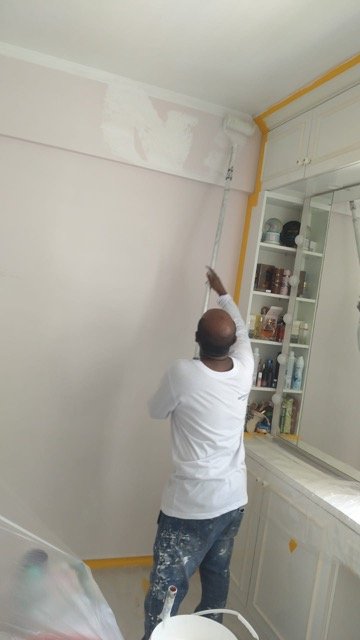
Rollers cover large, flat surfaces like walls and ceilings quickly and evenly. They’re faster than brushes and give a smooth, consistent finish. Choosing the right roller nap – short for smooth walls, longer for textured ones – helps you get the best result.
For most home painting projects, a roller handles the bulk of the work while a brush finishes the edges.
Spray Painting
Spray painting is the fastest method and gives an ultra-smooth, professional finish. It’s great for large areas, fences, and detailed surfaces. The catch is that it needs careful masking to protect floors and furniture, plus some skill to avoid drips and uneven coats.
Many professional painters use sprayers for big jobs, but it takes practice to master this painting technique at home.
Tips for a Successful House Painting Project
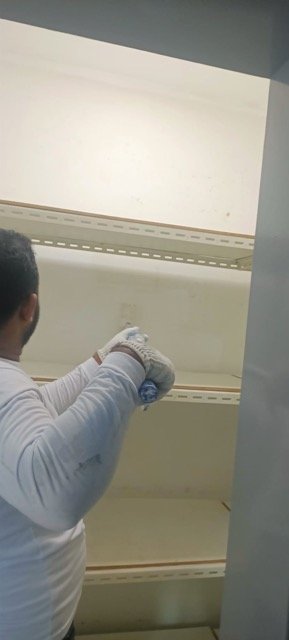
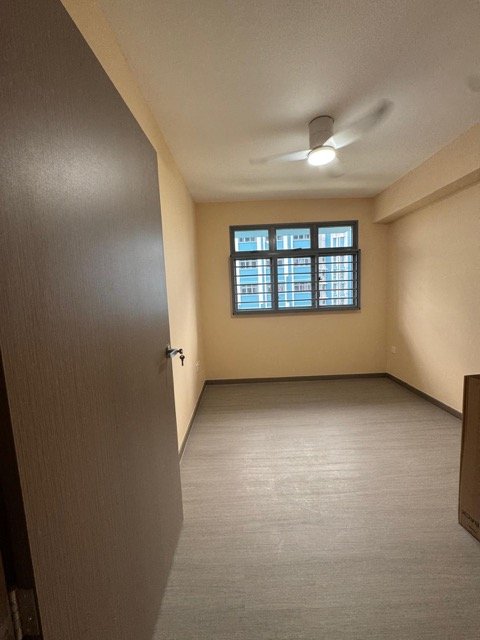
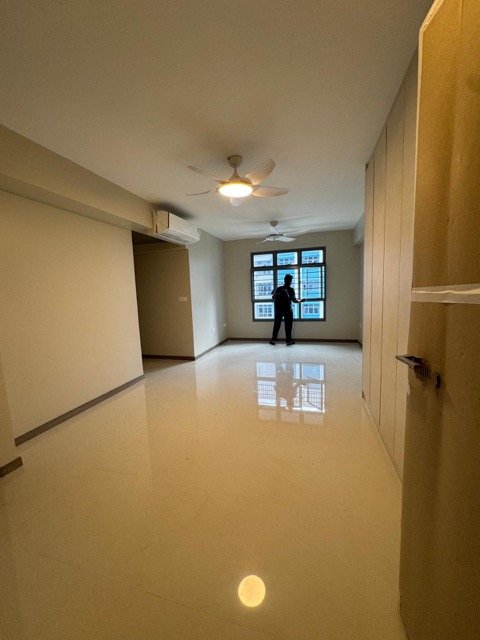
A great paint job starts long before the first coat. Prep your walls by cleaning, sanding, and filling cracks. Use a primer for better coverage and lasting results. Test your color in different light before committing to the whole room. And always buy a little extra paint for touch-ups.
Patience pays off in painting. Let each coat dry fully before adding the next, and work in good lighting so you don’t miss spots. These small steps lead to a smooth, professional finish that lasts.
Ready to Transform Your Home?
Choosing the right house paint, finish, brand, and application method can feel overwhelming – but you don’t have to do it alone. If you want flawless results without the stress, leave the painting to the experts.
Rainbbow Plus Services Pte Ltd is the best house painting service contractor in Singapore. From small house painting jobs to full renovation works, our skilled team delivers quality, creativity, and reliability on every project. We use modern techniques like epoxy, limewash, and premium finishes to make your space look brand new. Get in touch with Rainbbow Plus Services Pte Ltd today and let’s bring your walls to life.
Frequently Asked Questions
How often should I repaint my house in Singapore?
Most interior walls need repainting every 3 to 5 years, while exterior walls may need it sooner due to sun and humidity. High-quality paint and proper prep can extend the life of your house painting.
What’s the difference between water-based and oil-based paint?
Water-based (latex) paint dries fast, has low odor, and cleans up with water. Oil-based paint is more durable and smooth but takes longer to dry and needs solvents to clean. Choose latex for walls and oil-based for high-wear surfaces.
Which paint finish is easiest to clean?
Semi-gloss and gloss finishes are the easiest to clean and resist moisture well, making them ideal for kitchens, bathrooms, and trim. Matte finishes hide flaws but mark more easily.
Should I hire a professional painter or do it myself?
Small touch-ups are fine for DIY, but large or detailed painting projects benefit from a professional contractor. Experts like Rainbbow Plus Services Pte Ltd deliver smoother, longer-lasting results and save you time.