

A peeling, dull warehouse isn’t just an eyesore. It is a potential safety hazard and a sign of neglected maintenance that can actively disrupt your daily operations. When industrial spaces lose their protective coatings, they become highly vulnerable to structural damage, costly repairs, and significant operational downtime.
To protect your investment and maintain a safe, productive working environment, you must take proactive steps. Take action now by understanding the critical components of commercial warehouse painting. By choosing the right painting services, you can safeguard your facility against harsh elements, ensure compliance with safety regulations, and extend the lifespan of your property.
This comprehensive guide covers everything you need to know about warehouse painting in Singapore. You will learn about the different types of paint, the areas that require the most attention, how to estimate your painting cost, and why hiring professional painters is the smartest choice for your business.
What to Know About Warehouse Painting in Singapore
When planning a warehouse painting project in Singapore, facility managers must account for the local climate, heavy foot traffic, and stringent safety regulations. Painting a warehouse involves much more than simply rolling a fresh coat of paint onto the walls. It requires specialized knowledge of industrial spaces, surface preparation, and coating technologies.
The Importance of Industrial Painting Services
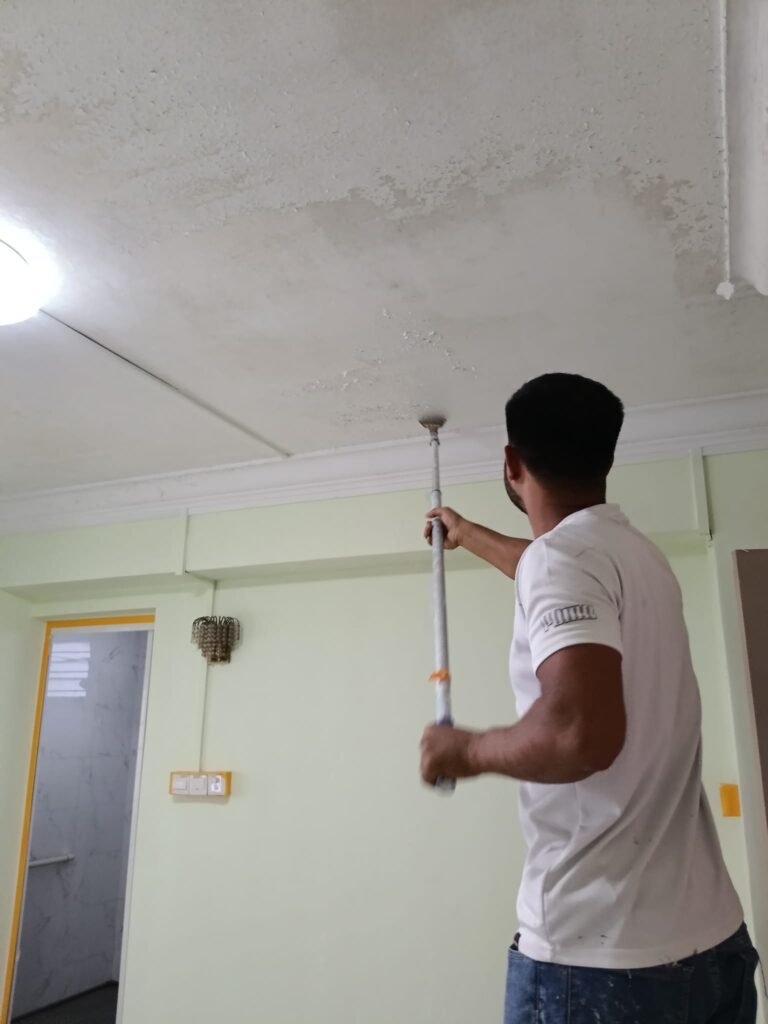
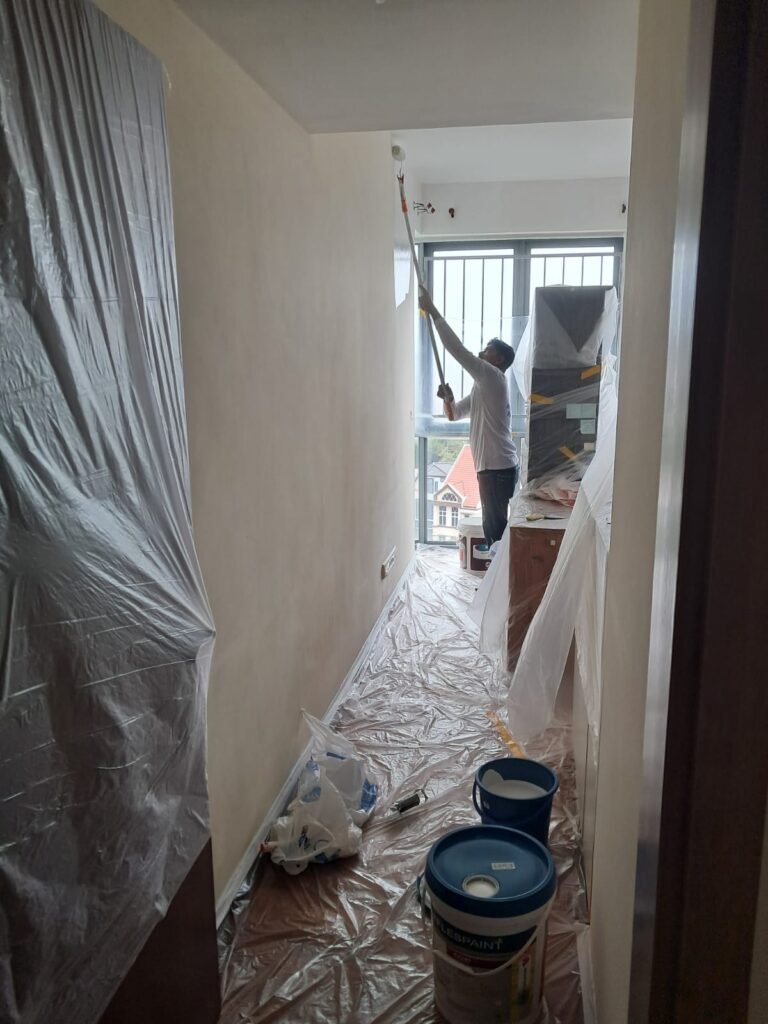
Industrial painting services differ vastly from standard residential or commercial painting. A warehouse environment is subjected to extreme wear and tear, chemical spills, and heavy machinery operations. Therefore, utilizing proper paint adhesion techniques and industrial-grade coatings is mandatory. Professional painting services understand how to assess the specific needs of a warehouse owner, ensuring that every painted warehouse meets industry standards. From managing a large-scale ceiling painting task to executing precise floor markings, expert painting contractors ensure the job is done right the first time, minimizing downtime and maximizing durability.
Advantages of Regular Warehouse Painting
Maintaining a well-painted warehouse offers numerous structural and operational benefits. Regular warehouse painting is a strategic investment that yields long-term returns for any industrial facility.
Improve Safety with Floor Markings and Proper Paint
Warehouse safety is paramount in any industrial setting. Applying a fresh coat of paint to designated walkways, loading zones, and high-traffic areas helps prevent accidents. Clear floor markings guide forklifts and pedestrians safely, significantly reducing the risk of workplace injuries. Furthermore, choosing the proper paint—such as slip-resistant epoxy for the warehouse floor—adds an extra layer of protection, making the surface easier to clean and much safer for daily operations.
Durability to Protect Against Wear and Tear
Industrial spaces endure constant abuse from heavy machinery, temperature fluctuations, and continuous foot traffic. High-quality paints and specialized coatings provide a robust barrier that can protect against wear and tear. This durability prevents moisture penetration, halting corrosion before it damages metal structures. A properly painted warehouse can withstand the rigorous demands of daily operations, ensuring the facility remains in top condition for years.
Boosting Employee Morale and First Impressions
A bright, clean, and well-maintained working environment directly impacts employee morale and productivity. When workers operate in a freshly painted space with high light reflectivity, they experience less eye strain and fatigue. Additionally, a well-painted warehouse creates a striking first impression for visiting clients, investors, or partners. It signals that your business values professionalism, safety, and meticulous attention to detail.
Key Areas for Painting a Warehouse
A successful warehouse painting project addresses multiple distinct areas within the facility. Each zone requires a tailored approach, specific types of paint, and specialized application techniques to ensure optimal performance.
Warehouse Ceiling and High-Traffic Areas
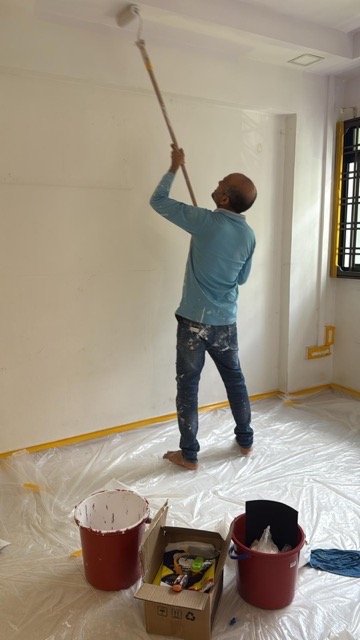
The warehouse ceiling is often overlooked, yet it plays a crucial role in the facility’s overall lighting and energy efficiency. Painting the interior ceiling with bright, reflective coatings can dramatically improve visibility. This reduces the need for artificial lighting, ultimately lowering energy bills. High-traffic areas, including corridors and loading docks, also demand immediate attention. These zones require highly durable warehouse paint designed to resist scuffs, impacts, and heavy use.
Warehouse Floor and Epoxy Coating
The warehouse floor takes the brunt of industrial activity. Standard paints will quickly chip and peel under the weight of forklifts and pallets. Therefore, applying an epoxy coating is the industry standard for floor painting. Epoxy creates a seamless, hard-wearing surface that resists chemical spills, oil stains, and heavy impact. It is exceptionally easier to clean, helping facility managers maintain a pristine and safe environment with minimal effort.
Warehouse Exterior and Curb Appeal
While the interior dictates operational efficiency, the warehouse exterior protects the building from Singapore’s harsh tropical climate. Exterior painting shields the structural integrity from intense UV rays, heavy rainfall, and high humidity. High-quality exterior coatings prevent water ingress and stop corrosion on metal sidings. Furthermore, refreshing the exterior significantly boosts the property’s curb appeal, reinforcing a strong corporate image.
Types of Paint Used in Warehouse Painting Projects
Selecting the best warehouse paint is a critical decision that dictates the longevity and effectiveness of the paint job. Different types of paint are formulated to address specific environmental challenges and surface materials.
High-Quality Paints for Corrosion Protection
Professional painters rely on a variety of high-performance coatings. Epoxy and polyurethane paints are heavily favored for their exceptional durability and chemical resistance, making them ideal for floors and metal structures. Alkyd paints provide excellent rust and corrosion resistance, suitable for industrial machinery and structural steel. Acrylic and latex paints are often utilized for painting the interior walls, offering low VOC emissions and fast drying times. Understanding the unique properties of these coatings ensures that the paint adhesion remains strong, regardless of the warehouse environments.
Estimating Your Warehouse Painting Cost
Calculating the painting cost for an industrial facility involves multiple variables. While upfront expenses are a consideration, facility managers must look at the broader financial picture.
Cost Savings from Professional Painting Services
The initial warehouse painting cost depends on the size of the facility, the type of paint selected, the extent of surface repair required, and the labor involved. While hiring a professional painting contractor requires a budget, it generates substantial cost savings in the long run. Professional warehouse painting ensures the coating is applied correctly, preventing premature peeling and the need to repaint frequently. Furthermore, expert painting teams work efficiently to minimize operational downtime, ensuring your business continues to function smoothly.
The Professional Warehouse Painting Process
Executing a flawless paint job in a massive industrial space requires a methodical and highly organized painting process. Professional painters follow strict protocols to ensure safety, quality, and durability.
Preparation and Repair Prior to Painting
Thorough preparation is the secret to a long-lasting finish. Prior to painting, the team will comprehensively clean all surfaces, removing dirt, grease, and old, flaking paint. Any structural damages, such as cracks in the concrete or rust on metal beams, undergo meticulous repair. This preparation phase guarantees optimal paint adhesion. Once prepped, the painters apply specialized primers followed by the topcoats, strictly adhering to safety regulations and manufacturer guidelines throughout the entire process.
Frequently Asked Questions (FAQ)
How often should I repaint my warehouse?
Regular warehouse painting should occur every 3 to 5 years, depending on the level of wear and tear, foot traffic, and the specific warehouse environments. High-traffic areas and exterior surfaces may require more frequent touch-ups.
What is the best paint for a warehouse floor?
Epoxy is widely considered the best warehouse paint for floors. It offers unmatched durability, chemical resistance, and ease of maintenance, making it perfect for industrial spaces.
Will painting my warehouse disrupt daily operations?
A professional painting contractor will schedule the project in phases, often working during off-hours, weekends, or scheduled shutdowns to minimize downtime and avoid disrupting your productivity.
Transform Your Industrial Spaces Today
Maintaining a warehouse is a massive responsibility, but you do not have to tackle it alone. A freshly painted facility protects your structural assets, ensures compliance with safety regulations, and provides a massive boost to your daily operational productivity. Whether you need to revitalize your warehouse ceiling, apply durable epoxy to the warehouse floor, or execute comprehensive floor markings, relying on seasoned professionals guarantees exceptional results.
If you are ready to repaint your warehouse and experience the benefits of a pristine industrial space, reach out to the experts. Contact Rainbbow Plus Services Pte Ltd today. As the premier House Painting Service Contractor in Singapore, we deliver unmatched durability, strict adherence to safety standards, and transparent pricing. Let us protect your facility with a fresh coat of paint that stands the test of time.